Category: Business

  • How To Choose A Safe Toto Site: Tutorial

    How To Choose A Safe Toto Site: Tutorial

    Are you tired of constantly worrying about the safety and reliability of the online betting sites you use? Look no further – a safe toto site is here to put your mind at ease. With countless options for betting sites out there, it can be difficult to know which ones are trustworthy and which ones are not. That’s where a safe toto site comes in, offering a secure platform for all your online betting needs.

    By choosing a safe toto site, you can rest assured that your personal information is protected and your transactions are secure. With stringent security measures in place, these sites ensure that your data is safe from hackers and malicious threats. So why take a chance with your online betting when you can enjoy peace of mind on a safe toto site?

    The Major Benefits Of Gambling On a Toto Site/

    Why Choose a Safe Toto Site?

    When it comes to online betting, security should be your top priority. A safe toto site offers you the peace of mind you need to enjoy your betting experience without worrying about the safety of your personal information or funds. With reliable 먹튀검증 methods in place, these sites guarantee a secure environment for all your transactions. So why risk it on unverified platforms when you can bet safely on a toto site that has been thoroughly vetted and approved?

    Choosing a safe toto site is not only a smart choice, but also a responsible one. With the increasing number of online threats and scams, it’s important to ensure that your betting activities are protected and secure. A safe toto site offers you the assurance that your personal and financial information is kept safe from prying eyes and potential hackers. By prioritizing safety and security, you can enjoy your online betting experience with peace of mind, knowing that you are on a reliable and trustworthy platform. So why take unnecessary risks when you can bet confidently on a safe toto site that puts your safety first? Choose wisely and bet securely for a worry-free online betting experience.


  • Live Streaming Success: Increasing Real-Time Likes and Views

    Live Streaming Success: Increasing Real-Time Likes and Views

    Live Streaming Success: Increasing Real-Time Likes and Views

    Live streaming has revolutionized the way individuals and businesses connect with their audience in real-time. Whether you’re a content creator, marketer, or business owner, harnessing the power of live streaming can help you engage with your audience like never before. In this article, we’ll explore effective strategies for Echte TikTok Views Kaufen increasing real-time likes and views during your live streams, creating an immersive and interactive experience for your viewers.

    Plan and Promote in Advance

    Successful live streams start with careful planning. Set a date and time for your stream and promote it across your social media channels, website, and email list. Creating anticipation and awareness before the live event can lead to more viewers tuning in.

    Engage with Your Audience

    One of the key advantages of live streaming is the ability to interact with your audience in real-time. Address comments and questions as they come in, and acknowledge viewers by name when possible. Building a sense of community and connection can encourage more likes and shares.

    Choose the Right Platform

    Different platforms cater to different audiences and content types. Consider where your target audience is most active and select the appropriate platform for your live stream. Platforms like Facebook Live, Instagram Live, YouTube Live, and Twitch offer unique advantages and audiences.

    Create Compelling Content

    The content of your live stream is paramount. Choose topics that resonate with your audience and provide value. Whether it’s a Q&A session, a behind-the-scenes look, a tutorial, or an entertaining performance, make sure your content is engaging and relevant.

    Use High-Quality Equipment

    Invest in good-quality equipment, such as cameras, microphones, and lighting, to ensure that your live stream looks and sounds professional. Crisp visuals and clear audio can significantly enhance the viewing experience.

    Promote Interaction

    Encourage viewers to like and share your live stream. Ask questions, run polls, and host giveaways to stimulate audience participation. The more interactive your stream, the more likely viewers are to engage and invite others to join.

    Consistency is Key

    Establish a consistent streaming schedule to build an audience that anticipates your broadcasts. Whether you stream weekly, biweekly, or monthly, maintaining a predictable schedule helps you attract and retain viewers over time.

    Cross-Promote with Influencers

    Collaborate with influencers or creators in your niche to cross-promote your live streams. Partnering with influencers who share your target audience can introduce your content to new viewers and increase real-time engagement.

    Leverage Call-to-Actions (CTAs)

    Incorporate CTAs strategically throughout your live stream. Encourage viewers to like, share, subscribe, or visit your website for more information. Make it easy for them to take the desired action by providing clear instructions.

    Monitor Analytics and Learn

    Most live streaming platforms offer analytics tools that allow you to track likes, views, watch time, and more. After each stream, review these metrics to gain insights into what worked and what didn’t. Use this information to refine your future live streaming strategy.

    Live streaming offers a dynamic and engaging way to connect with your audience in real-time. By planning, promoting, and executing your live streams effectively, you can increase real-time likes and views, building a loyal and interactive community. Remember that live streaming is not just about the numbers; it’s about creating meaningful connections and providing value to your viewers. Continuously refine your approach based on audience feedback and analytics to ensure your live streams are both successful and enjoyable for your audience.

  • The History and Evolution of Online Gaming

    The History and Evolution of Online Gaming

    The History and Evolution of Online Gaming

    Online gaming has come a long way since its inception, evolving from basic text-based adventures to complex, immersive experiences that connect millions of players worldwide. This article explores the fascinating history and key milestones in the evolution of online gaming.

    1970s – The Birth of Online Gaming:

    The origins of online gaming like Indian Matka can be traced back to the 1970s, when early computer programmers and enthusiasts began experimenting with text-based multiplayer games. These games were often played on primitive computer networks, such as ARPANET, the precursor to the modern internet.

    • 1971: The first-ever multiplayer online game, “MUD” (Multi-User Dungeon), was created by Roy Trubshaw and Richard Bartle. It was a text-based adventure game that laid the foundation for the genre of Massively Multiplayer Online Role-Playing Games (MMORPGs).

    1980s – The Emergence of Online Multiplayer Games:

    The 1980s saw the development of more sophisticated online multiplayer games, although they were primarily limited to early computer networks and bulletin board systems (BBS).

    • 1983: “Island of Kesmai” was one of the earliest graphical multiplayer online games, featuring a multiplayer dungeon crawl experience.
    • 1989: “Neverwinter Nights” became one of the first MMORPGs, setting the stage for the genre’s growth in the years to come.

    1990s – The Rise of MMORPGs:

    The 1990s witnessed a significant expansion of online gaming, thanks to the growing popularity of the internet and advancements in computer technology. This decade marked the emergence of MMORPGs as a dominant genre.

    • 1991: “Neverwinter Nights” was officially released, and “Ultima Online” followed in 1997, becoming a massive success.
    • 1996: “Meridian 59” was the first 3D graphical MMORPG.
    • 1999: “EverQuest” debuted, further popularizing MMORPGs and pioneering the monthly subscription model.

    2000s – The MMO Boom and Online Console Gaming:

    The 2000s saw the rapid growth of online gaming across multiple platforms, including PCs and consoles.

    • 2001: Microsoft launched Xbox Live, a service that allowed console gamers to play online. This marked the beginning of online multiplayer gaming on home consoles.
    • 2004: “World of Warcraft” was released, becoming one of the most successful MMORPGs in history, reaching over 12 million subscribers at its peak.

    2010s – The Era of Esports and Mobile Gaming:

    The 2010s brought about several significant developments in online gaming, including the rise of esports and the proliferation of mobile gaming.

    • 2010: “League of Legends” exploded onto the esports scene, helping popularize competitive gaming as a spectator sport.
    • 2013: Twitch, a streaming platform dedicated to gaming content, gained massive popularity, allowing players to broadcast their gameplay to a global audience.
    • 2016: The release of “Pokémon GO” marked a significant milestone in mobile gaming, combining augmented reality with location-based gameplay.

    2020s – The Future of Online Gaming:

    As of my last knowledge update in September 2021, the 2020s were expected to bring further innovation to online gaming. Cloud gaming services, virtual reality, and augmented reality were anticipated to shape the future of the industry.

    • Cloud Gaming: Services like Google Stadia and Microsoft’s Project xCloud aimed to make high-quality gaming accessible on a variety of devices with minimal hardware requirements.
    • Virtual Reality (VR) and Augmented Reality (AR): VR and AR gaming experiences continued to evolve, offering immersive and interactive gameplay.
    • Cross-Platform Play: Many games started to support cross-platform play, allowing players on different consoles and PC to play together.

    It’s important to note that the online gaming industry is constantly evolving, and new developments may have emerged since my last update. Online gaming has become a global phenomenon, with millions of players participating in various forms of multiplayer experiences across a wide range of platforms. Its history and evolution reflect not only technological advancements but also the changing ways in which people connect, compete, and collaborate in the digital age.

  • Warehouse Safety Regulations and Compliance: Ensuring a Secure Working Environment

    Warehouse Safety Regulations and Compliance: Ensuring a Secure Working Environment

    Warehouse Safety Regulations and Compliance: Ensuring a Secure Working Environment

    Warehouses are dynamic environments where products are stored, sorted, and distributed daily. However, with the fast-paced nature of warehouse operations, safety regulations and compliance are paramount to protect employees, reduce accidents, and maintain efficient operations. In this article, we will delve into website and read the importance of warehouse safety regulations and the key aspects of compliance that every warehouse manager should prioritize.

    The Significance of Warehouse Safety Regulations

    1. Employee Well-being: The foremost importance of warehouse safety regulations is the protection of employees. Warehouses can be hazardous places, with the potential for accidents involving heavy machinery, high shelving, and various materials. Safety regulations ensure that workers are shielded from potential harm.
    2. Legal Compliance: Compliance with safety regulations is not optional; it’s a legal requirement. Violations can lead to fines, penalties, and even criminal charges. Ensuring compliance helps businesses avoid legal trouble and the associated costs.
    3. Productivity and Efficiency: A safe working environment contributes to a more productive and efficient workforce. When employees feel secure, they can focus on their tasks without constant concern for their safety.

    Key Aspects of Warehouse Safety Compliance

    1. Training and Education: Proper training is essential for warehouse employees to understand safety protocols and procedures. Regular training sessions, including onboarding for new hires, should be conducted to reinforce safe practices.
    2. Equipment Safety: Regular inspections and maintenance of equipment such as forklifts, conveyors, and pallet jacks are crucial. Safety features and warning systems should be functional and up to date.
    3. Hazard Identification: Regularly assess the warehouse for potential hazards, such as uneven floors, slippery surfaces, and blocked emergency exits. Promptly address identified issues to prevent accidents.
    4. Personal Protective Equipment (PPE): Ensure that employees have access to and use appropriate PPE, such as helmets, gloves, safety goggles, and reflective vests. PPE is vital for protecting workers from specific workplace hazards.
    5. Fire Safety: Install and regularly maintain fire detection and suppression systems. Conduct fire drills and provide fire extinguisher training to employees. Maintain clear evacuation routes.
    6. Material Handling: Implement safe material handling practices, including proper storage, stacking, and securing of items. Use appropriate equipment and techniques to prevent injuries related to lifting and carrying heavy loads.
    7. Chemical Handling: Properly label and store hazardous materials, and ensure that employees are trained in the safe handling and disposal of chemicals. Comply with relevant Occupational Safety and Health Administration (OSHA) standards.
    8. Ergonomics: Design workstations and processes to reduce strain and minimize repetitive motion injuries. Adjustable workstations and ergonomic equipment can help reduce employee discomfort and injury risk.

    Benefits of Warehouse Safety Compliance

    1. Reduced Workplace Accidents: Compliance with safety regulations significantly reduces the risk of workplace accidents and injuries, resulting in fewer worker compensation claims and medical expenses.
    2. Improved Employee Morale: When employees feel safe at work, job satisfaction and morale increase, leading to better productivity and lower turnover rates.
    3. Legal Protection: Compliance with safety regulations protects businesses from costly legal consequences and reputational damage associated with safety violations.
    4. Increased Efficiency: A safe and well-organized warehouse operates more efficiently, reducing downtime caused by accidents and injuries.

    Warehouse safety regulations and compliance are essential for safeguarding employees, ensuring legal adherence, and maintaining efficient warehouse operations. Warehouse managers must prioritize training, equipment safety, hazard identification, and other key aspects to create a secure work environment. By doing so, businesses can reap the benefits of reduced accidents, improved employee morale, and legal protection, all of which contribute to long-term success.

  • Enhancing Customer Engagement: How Email Verification Software Improves Email Deliverability

    Enhancing Customer Engagement: How Email Verification Software Improves Email Deliverability

    Enhancing Customer Engagement: How Email Verification Software Improves Email Deliverability
    1. Reduces Bounce Rates: One of the primary functions of email verification software is to identify and remove invalid or non-existent email addresses from your mailing list. When you send emails to invalid addresses, they bounce back, negatively impacting your sender reputation.

    High bounce rates can result in your emails being marked as spam, making it more difficult to engage with your customers. By eliminating invalid addresses, email verification software reduces bounce rates and ensures your emails reach your customers’ inboxes.

    1. Minimizes Spam Complaints: Sending emails to uninterested or incorrect recipients can lead to spam complaints. These complaints can hurt your sender reputation and cause your emails to be filtered into spam folders, where they are less likely to be seen. Email verification software helps prevent this by ensuring that your emails are sent only to those who have consented to receive them. This reduces the likelihood of spam complaints and improves your engagement rates.
    2. Improves Sender Reputation: Email verification software not only removes invalid addresses but also identifies and filters out role-based emails, disposable emails, and known spam traps. This proactive approach to list cleaning helps maintain a positive sender reputation. A good sender reputation is essential for email deliverability, as email service providers (ESPs) are more likely to trust emails from senders with a positive track record.
    3. Enhances Inbox Placement: When your emails consistently land in the inbox instead of the spam folder, they are more likely to be seen and opened by your customers. Email verification software’s role in maintaining a clean list and a positive sender reputation directly contributes to better inbox placement, leading to increased customer engagement.
    4. Targeted Content Delivery: With a clean and well-maintained email list, you can be more strategic in your email marketing efforts. Email verification allows you to segment your list based on factors like engagement history, location, or demographics. By sending targeted content to specific segments of your audience, you can improve relevance and engagement, leading to higher open and click-through rates.
    5. Enhanced Data Quality: Email verification software can correct common typos and formatting errors in email addresses, ensuring that you have accurate contact information for your customers. This not only improves deliverability but also allows you to personalize your emails more effectively, leading to higher customer engagement.
    6. Regulatory Compliance: Email verification helps you comply with email marketing regulations, such as the General Data Protection Regulation (GDPR) and the CAN-SPAM Act. Ensuring that you only send emails to individuals who have given their consent not only reduces the risk of legal issues but also fosters trust and engagement with your customers.

    In conclusion, email verification software is a valuable tool for enhancing customer engagement by improving email deliverability. By maintaining a clean and responsive email list, you can increase the chances of your emails reaching the inbox, being opened, and ultimately driving customer engagement and conversions. This, in turn, contributes to the overall success of your email marketing campaigns.

  • Dental Care for a Lifetime: Strategies for Long-Term Oral Wellness

    Dental Care for a Lifetime: Strategies for Long-Term Oral Wellness

    Dental Care for a Lifetime: Strategies for Long-Term Oral Wellness

    Maintaining good oral health throughout your lifetime is essential for overall well-being. Here are some strategies to help you achieve long-term oral wellness:

    1. Regular Dental Check-ups: Schedule regular visits to your dentist for check-ups and cleanings. A professional cleaning like Dushane Dental Arts can remove plaque and tartar that regular brushing and flossing might miss. Regular check-ups also allow your dentist to catch and address potential issues early.
    2. Daily Oral Hygiene Routine: Brush your teeth at least twice a day using fluoride toothpaste. Use a soft-bristle toothbrush and brush for at least two minutes. Don’t forget to gently brush your tongue to remove bacteria that can cause bad breath. Floss once a day to remove plaque and food particles between your teeth.
    3. Proper Brushing Technique: Use a gentle circular motion when brushing. Avoid aggressive scrubbing, as it can damage your teeth and gums. Replace your toothbrush or toothbrush head every 3-4 months or sooner if the bristles are frayed.
    4. Balanced Diet: A healthy diet rich in fruits, vegetables, lean proteins, and whole grains is beneficial for your oral health. Limit sugary snacks and beverages, as they can contribute to tooth decay. Drinking water, especially fluoridated water, helps keep your mouth clean and hydrated.
    5. Fluoride Protection: Fluoride strengthens tooth enamel and helps prevent cavities. Many toothpaste brands contain fluoride, and your dentist might recommend additional fluoride treatments if necessary.
    6. Avoid Tobacco and Limit Alcohol: Smoking and tobacco use increase the risk of gum disease, oral cancer, and other oral health issues. Excessive alcohol consumption can also harm your oral tissues.
    7. Protect Teeth from Injury: If you’re involved in sports or activities with the risk of dental injury, wear a mouthguard to protect your teeth and gums from trauma.


    Dushane Dental Arts
    9201 Sunset Blvd #416, West Hollywood, CA, 90069
    (310) 739-1113

    1. Address Teeth Grinding: If you grind your teeth (bruxism), especially at night, discuss this with your dentist. They might recommend a mouthguard to prevent damage to your teeth.
    2. Maintain Good Gum Health: Gum health is crucial for overall oral wellness. Gingivitis (gum inflammation) can lead to more severe gum disease if left untreated. Brushing, flossing, and regular dental cleanings help prevent gum problems.
    3. Manage Dry Mouth: Dry mouth can contribute to tooth decay and other oral health issues. Stay hydrated, chew sugar-free gum, and talk to your dentist about possible causes and solutions.
    4. Regular X-rays: X-rays help your dentist identify hidden issues such as cavities between teeth and problems beneath the gumline. Follow your dentist’s recommendations for how often you should have dental X-rays.
    5. Stay Informed: Stay updated about proper oral care techniques and any changes in your oral health. Ask your dentist for advice and guidance on your specific needs.

    Remember, oral health is closely linked to your overall health, so taking care of your teeth and gums can have a positive impact on your overall well-being. By following these strategies and maintaining a consistent oral care routine, you can enjoy a lifetime of healthy smiles.

  • Closing the Healthcare Gap with Dispensaries

    Closing the Healthcare Gap with Dispensaries

    Closing the Healthcare Gap with Dispensaries

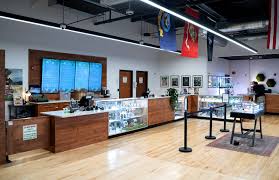
    The establishment of dispensaries in communities is not merely about providing access to cannabis products; it’s a powerful tool in closing the healthcare gap that has persisted in our society for far too long. Dispensary near me is playing a pivotal role in promoting health equity, ensuring that individuals from all walks of life have access to safe, regulated, and alternative healthcare options. This article delves into the ways in which dispensaries are actively closing the healthcare gap and fostering a more equitable healthcare landscape.

    Access to Alternative Medicine

    Dispensaries are key players in granting individuals access to alternative medical treatments, particularly medical cannabis. For patients suffering from various conditions, such as chronic pain, epilepsy, cancer, and mental health disorders, medical cannabis can provide relief when traditional treatments have failed. Dispensaries ensure that patients can obtain medical cannabis products legally and safely, addressing their unique healthcare needs.

    Expert Guidance and Patient-Centered Care

    Dispensaries employ knowledgeable staff who can offer personalized guidance to patients. This guidance encompasses product selection, dosage recommendations, and general education about the medicinal properties of cannabis. Such patient-centered care is invaluable, especially for those who are new to medical cannabis and require support and information to make informed decisions about their health.

    Diverse Product Selection

    Dispensaries boast a wide array of cannabis products, ranging from various strains to edibles, tinctures, topicals, and more. This diverse selection ensures that patients have choices that suit their preferences and conditions, leading to more effective treatment outcomes.

    Reducing Disparities in Healthcare

    Health disparities, particularly among underserved and minority communities, have long been a challenge in healthcare. Dispensaries have the potential to reduce these disparities by providing alternative treatment options that may be more accessible and effective for certain individuals. This can lead to a more equitable distribution of healthcare resources.

    Silver Stem Fine Cannabis Bonnie Brae Marijuana Dispensary
    2331 E Ohio Ave, Denver, Colorado, 80209
    1 720-771-9866

    Community Health Education

    Dispensaries actively engage in community health education. They organize workshops, seminars, and informational sessions to promote health literacy, particularly in relation to cannabis. These efforts empower individuals with knowledge, allowing them to make informed decisions about their health and treatment options.

    Advocating for Responsible Consumption

    Dispensaries emphasize responsible cannabis consumption among patients, focusing on dosage control, monitoring effects, and avoiding potential risks. By advocating for responsible use, dispensaries help patients achieve the therapeutic benefits of cannabis while minimizing potential adverse effects.

    Supporting Social Equity Initiatives

    Many dispensaries are champions of social equity within the cannabis industry. They participate in efforts to address past injustices, such as the disproportionate impact of drug prohibition on marginalized communities. By actively supporting social equity initiatives, dispensaries contribute to a more inclusive and equitable healthcare system.

    Conclusion

    Dispensaries are more than just retail outlets; they are catalysts for closing the healthcare gap. By providing legal, regulated, and accessible access to medical cannabis, offering expert guidance, and actively engaging in community education and advocacy, dispensaries are making strides toward a healthcare landscape that is more equitable and just. As the movement for cannabis legalization continues, the role of dispensaries in closing the healthcare gap becomes increasingly significant in promoting the health and well-being of all individuals in our society.